

Dolores Chandler, LCSWA
Hybrid Psychotherapist in Chapel Hill, NC
Couples, Individual Adults, Assessments, Adjunctive EMDR
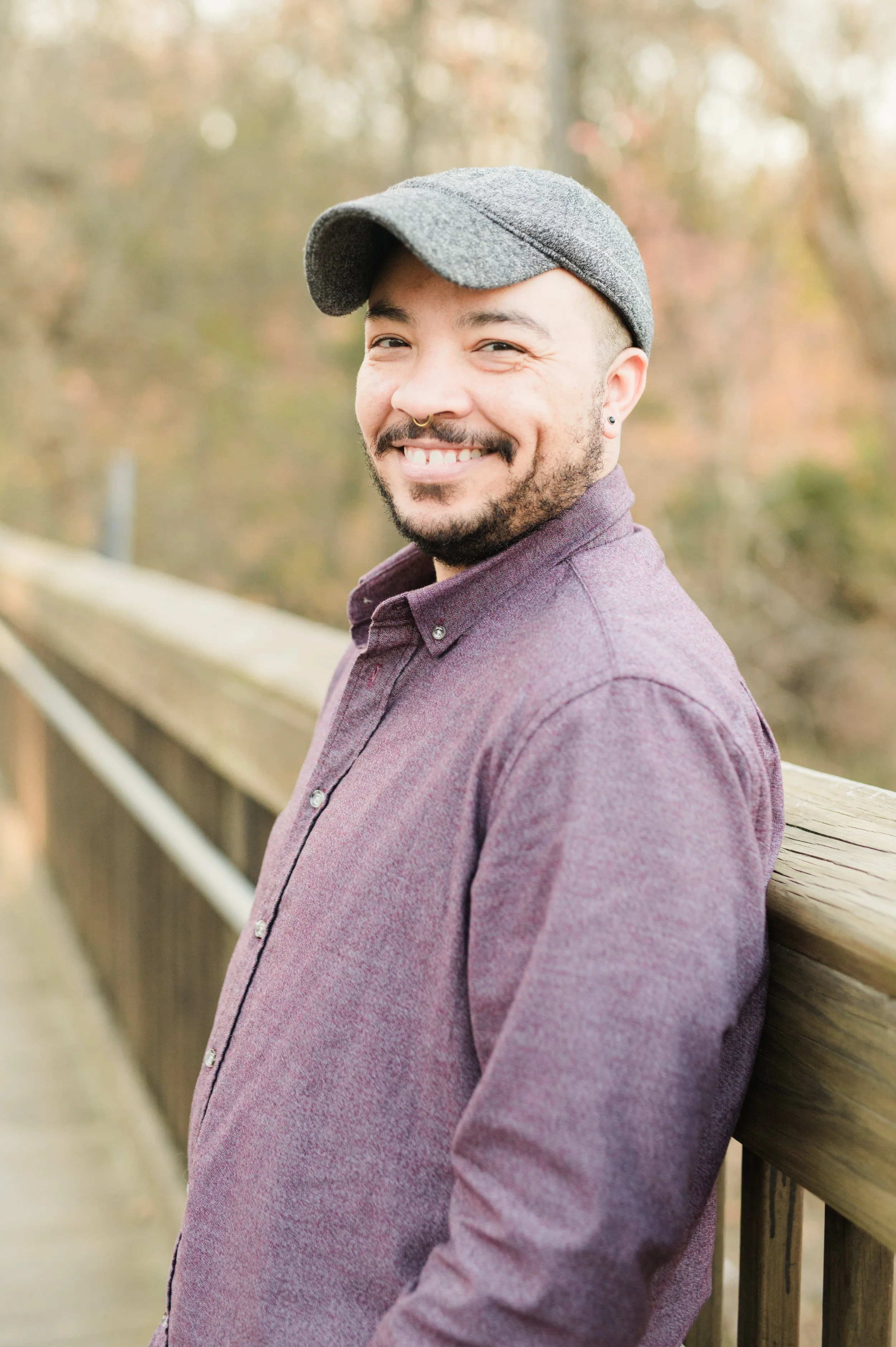
Dolores Chandler, MSW, LCSWA
About me
I’m a Licensed Clinical Social Worker Associate (P019619) in North Carolina. I received my MSW 12 years ago and have a large background in social work. I expect to receive my LCSW later this year. Before transitioning into clinical work a few years ago, I worked in disability services, community organizing spaces, and did training and consulting for workspaces trying to expand their DEI efforts. I offer culturally informed, trauma-aware, and neurodiversity-affirming psychotherapy. My work centers on supporting adults and couples whose lives and identities have been shaped by systemic oppression, intergenerational trauma, and experiences of not fully belonging.
Social Locators
I am a mixed-race Black, trans/nonbinary clinician. My lived experience informs my commitment to dignity, justice, and relational care, as well as my attention to how power, identity, and systems shape emotional and relational patterns.
My Approach to Therapy
I aim to create a therapeutic space that feels grounded, affirming, and collaborative—one that supports both deep healing and practical change. I support clients in processing trauma, reducing distress, and shifting long-standing beliefs that impact self-worth, relationships, and daily functioning. I’m skilled at supporting clients with values-aligned action, meaning-making, and resilience. My work is neurodiversity-affirming, collaborative, and paced with care. I am committed to offering a therapeutic relationship where individuals and couples feel seen and supported in building lives and relationships that feel authentic, connected, and sustainable.
My Therapy Orientation:
EMDR, relational/psychodynamic, ACT, EFT & EFCT, attachment focused, expressive arts.
Areas of expertise:
LGBTQ+ and BIPoC adults and couples, including trans, gender-expansive, and femme clients
Trauma, identity stress, and the emotional impact of systemic oppression
Burnout, career transitions, and leadership stress, including holding positional power
Neurodivergent adults and individuals with intellectual and developmental disabilities
Caregivers seeking strengths-based, affirming support